
black laminated glass
NPTスレッドリングゲージは、工業用の重要な測定器具であり、特に配管システムや油圧・空気圧システムで使用されるNPT(National Pipe Tapered)のねじに対する精度を確保するために設計されています。このゲージの主な目的は、ねじの正確さや互換性を確認し、漏れや不具合を未然に防ぐことです。 NPTスレッドは、テーパー形状のねじであり、主にアメリカで広く使用されています。このタイプのねじは、配管部品同士をしっかりと結合させるために設計されており、封止性に優れているのが特徴です。しかし、NPTスレッドの寸法や形状にわずかな誤差があると、接合部分に隙間ができ、漏れの原因となります。したがって、NPTスレッドリングゲージは、それらの誤差を事前にチェックするための重要な役割を果たします。 . NPTスレッドリングゲージは、さまざまなサイズやタイプで入手できます。そのため、特定のアプリケーションやニーズに応じたゲージを選ぶことが可能です。また、これにより多様な業界での使用を実現しています。たとえば、石油・ガス産業、製造業、さらには自動車産業においてもこのゲージは重要です。 npt thread ring gauge NPTスレッドの品質管理は非常に重要であり、これを確実に行うことで、システムの安全性と効率を向上させることができます。NPTスレッドリングゲージを使用することで、定期的なメンテナンスやチェックが可能となり、全体の運用コストを削減する助けにもなります。 さらに、NPTスレッドリングゲージを使用する際には、正しい取扱いと保管が求められます。ゲージ自体が傷ついたり、汚れたりすると、測定精度に影響を及ぼす可能性があります。そのため、清潔で乾燥した環境での保管や、使用後のクリーニングが重要です。 結論として、NPTスレッドリングゲージは、配管や機械システムにおける信頼性を向上させるための重要なツールであり、その正確な測定と管理は、業界全体の効率と安全性を確保するために欠かせません。組織は、このゲージを活用して、最良の製品品質を維持することが求められています。
about
black laminated glass
Understanding How to Read a Dial Bore Gauge Dial bore gauges are precision measuring tools commonly used in various industries, particularly in manufacturing and automotive engineering. These gauges are specifically designed to measure the internal diameter of a bore, such as engine cylinders or other cylindrical parts. In this article, we will break down the components of a dial bore gauge, how to use it correctly, and how to read its measurements accurately. Components of a Dial Bore Gauge A typical dial bore gauge consists of several key components 1. Dial Indicator The most recognizable part of the bore gauge, the dial indicator shows the measurement reading. It is calibrated to provide precise measurements, often in millimeters or inches. 2. Measuring Arms The gauge features two measuring arms that expand outward to contact the inner walls of the bore. These arms are adjustable and can easily accommodate different bore sizes. 3. Probe At the end of the measuring arms, the probe is the part that touches the inner surface of the bore. It is usually made of a durable, non-marring material to ensure it does not damage the workpiece. 4. Adjustment Knob This allows the user to set the initial position of the gauge, ensuring accurate measurements when the probe is placed inside the bore. 5. Base The base of the gauge stabilizes the tool during measurement, ensuring that no vibrations affect the reading. How to Use a Dial Bore Gauge Using a dial bore gauge properly requires following a few steps 1. Preparation First, ensure that both the gauge and the workpiece are clean. Any debris can lead to inaccurate readings. reading a dial bore gauge 2. Adjustment Before inserting the gauge, use the adjustment knob to set the gauge to the approximate diameter of the bore. This setting will provide a baseline for your measurements. 3. Inserting the Gauge Carefully insert the probe end of the gauge into the bore. Ensure the measuring arms expand gently against the inner wall, creating contact without excessive force. 4. Centering the Probe For a precise measurement, it is crucial to center the probe within the bore. You can rotate the gauge slightly to ensure it is perpendicular to the bore's surface. 5. Taking the Measurement Read the dial indicator once the probe is securely in place. Pay attention to the needle position and note the measurement. For more accuracy, take multiple readings at different heights of the bore, as irregularities can occur along its length. Reading the Dial Reading a dial bore gauge effectively requires some familiarity with the dial indicator. Here’s how to interpret the readings 1. Reference Scaling Most dial indicators have two scales a primary scale and a secondary scale (or a fractional scale). The primary scale is typically marked in larger increments, while the secondary scale provides more precise measurements. 2. Determining the Measurement When reading the dial, observe where the needle points. Combine the reading from the larger scale with any additional fraction indicated on the smaller scale. For example, if the needle points to 2.0 on the large scale and 0.5 on the small scale, the measurement would represent 2.5 mm or inches, depending on the unit of the gauge. 3. Zeroing the Gauge If the gauge has an adjustable zero, make sure it is set correctly before taking any measurements. This ensures that your readings reflect the true dimensions of the bore. Conclusion Reading a dial bore gauge is a fundamental skill for anyone involved in precise engineering work where internal diameters need to be measured accurately. By understanding the components and method of using the gauge correctly, operators can ensure high standards of manufacturing and maintenance quality. Regular practice and familiarity with the tool will improve the precision and efficiency of measurements over time. As with any measurement process, the accuracy of the results directly hinges on the operator's diligence in following proper procedures. With this knowledge, you can confidently tackle measurements using a dial bore gauge in your projects.
-

High quality industrial productsagement

High quality industrial products
View Details -

Meet the diverse needs of customers

Meet the diverse needs of customers
View Details -

Strict quality control

Strict quality control
View Details -

Top raw materials

Top raw materials
View Details -

Trusted supplier

Trusted supplier
View Details
Our application


news and information
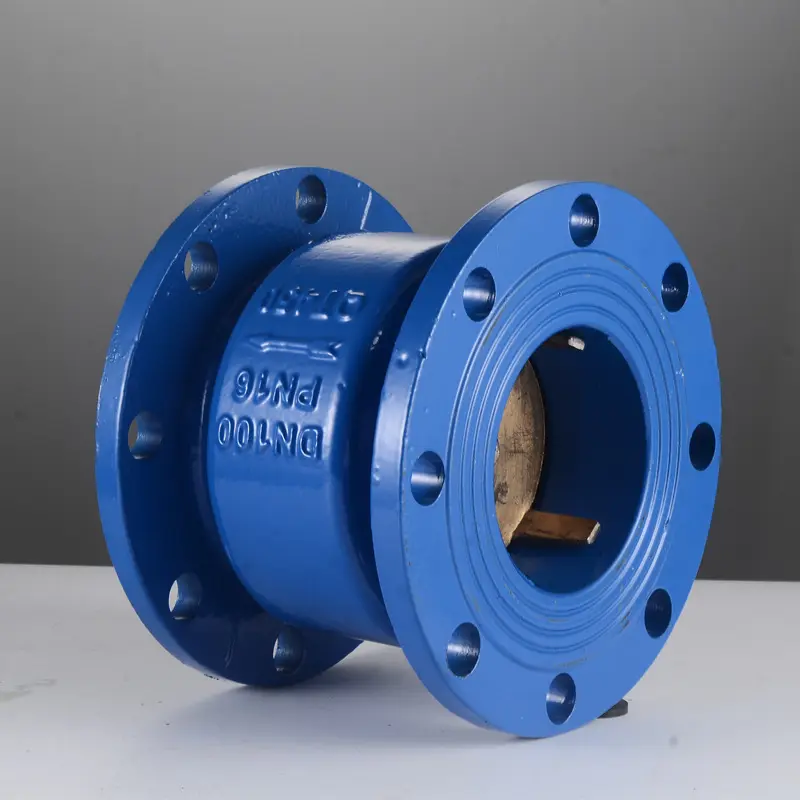
Wholesale Valve Selection_ How to Choose the Right Types of Water Valves for Commercial Plumbing
Water valves are essential components in plumbing and industrial systems, controlling the flow and p
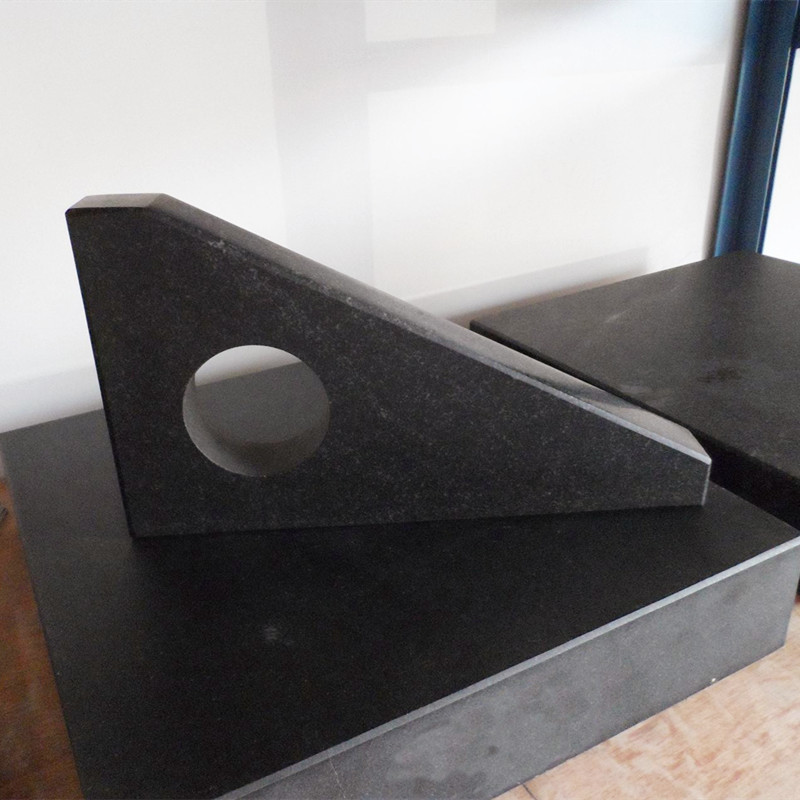
welding table cost
Understanding the Costs of Welding Tables When it comes to metalworking and fabrication, having the

Versatile and Compact Welding Workbench for Efficient Metal Fabrication
The Portable Welding Table A Essential Tool for Welders In the dynamic world of metalwork and fabric
 English